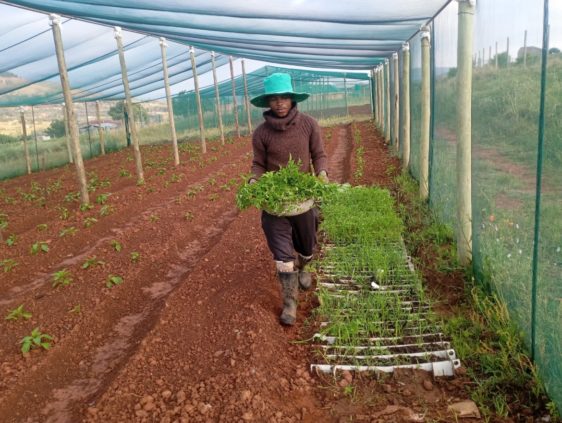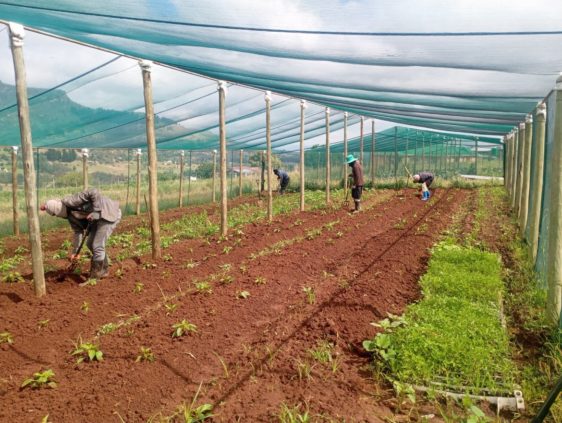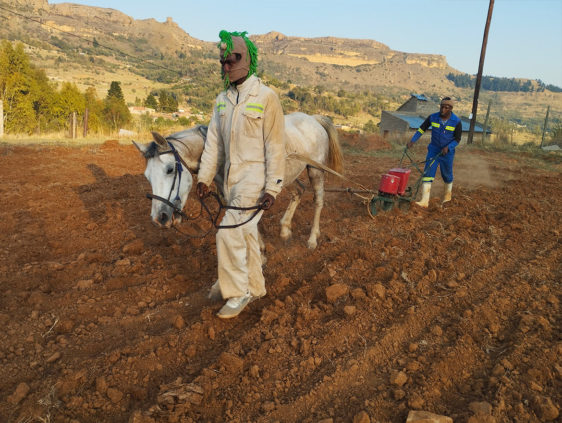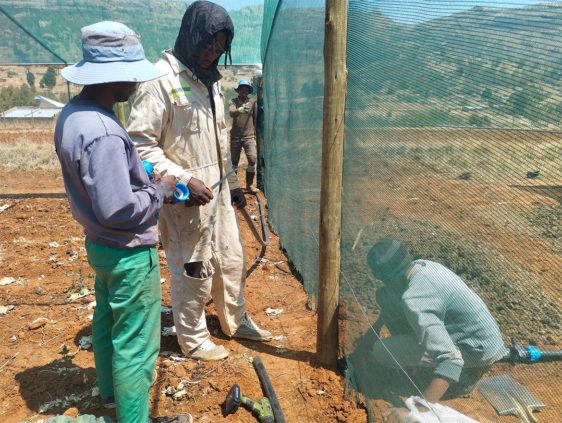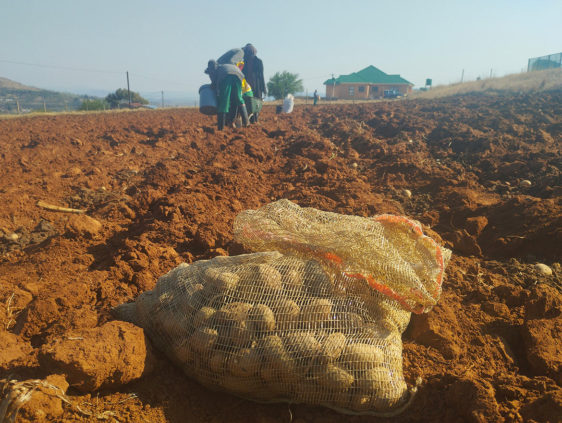


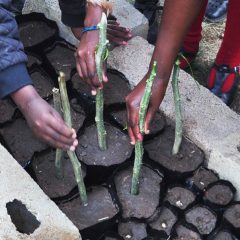


In 2015, The Ivory Foundation began its support for St Paul’s School in Hlotse by setting up a pilot farm, on its grounds, under the guidance of a crop manager trained in sign language. The aim of the project was dual:
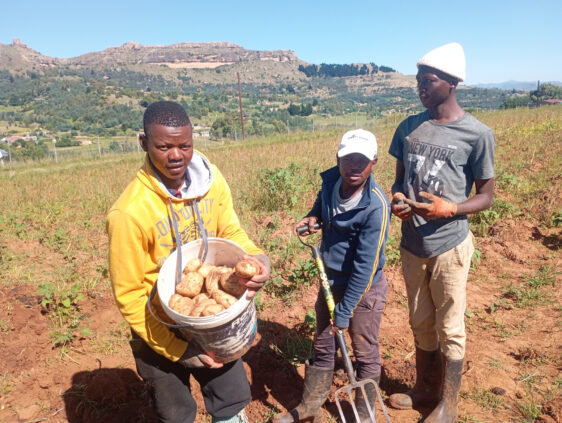
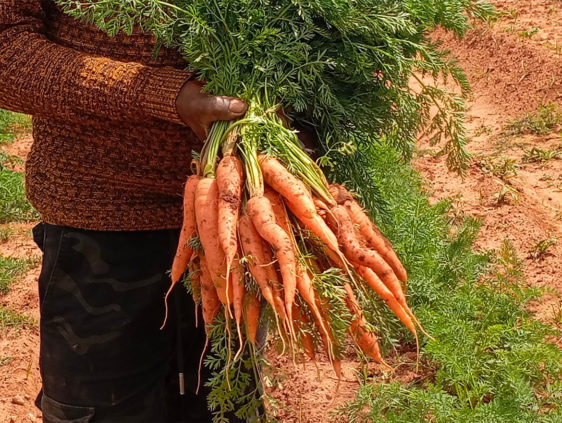
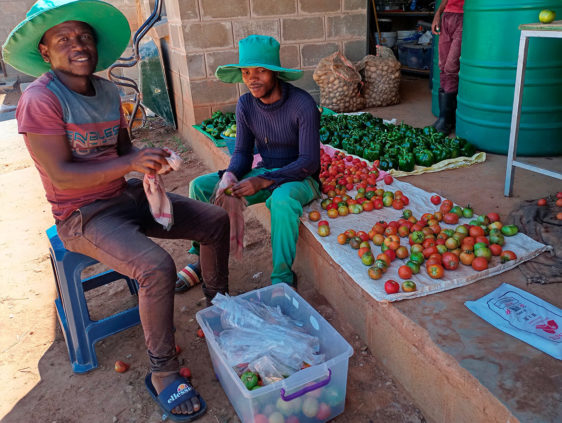
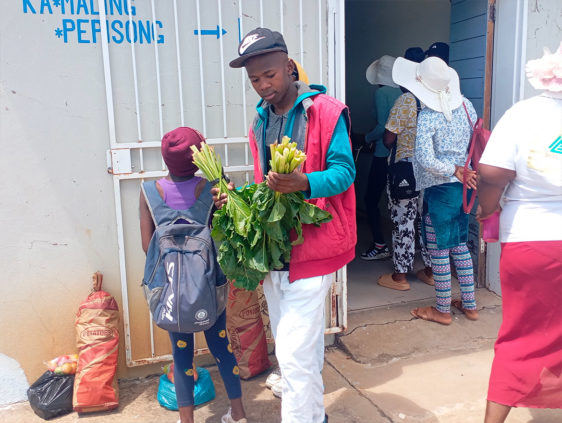
-Firstly, to meet the needs of the school canteen through self-production of vegetables, eggs, milk and pork.
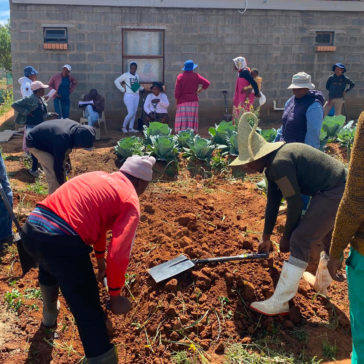
-Secondly, to train the schoolchildren, particularly the older ones, in skills that will be useful when they return to their respective villages.
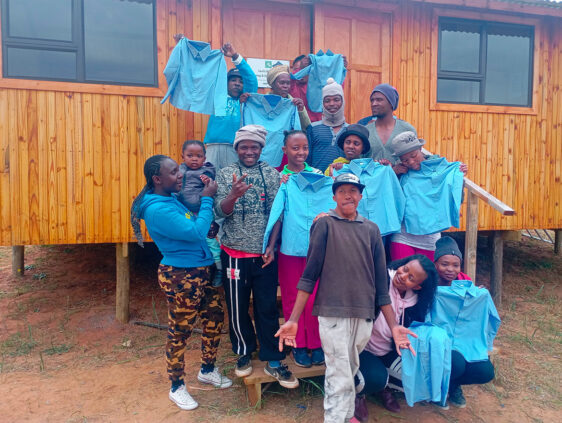
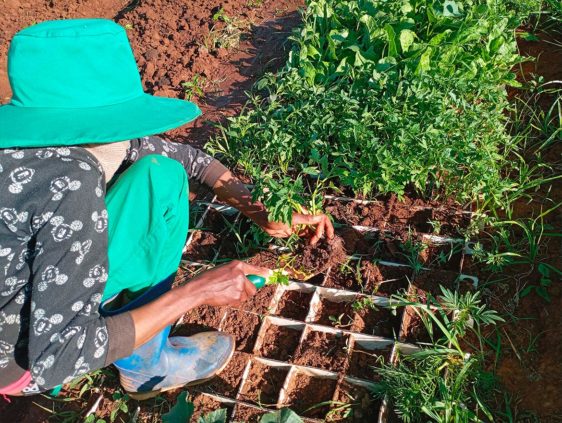
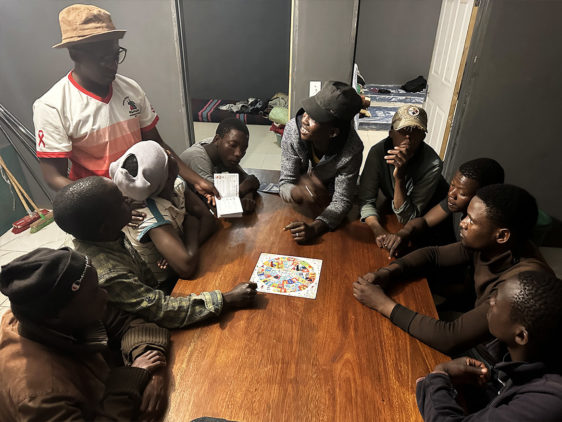
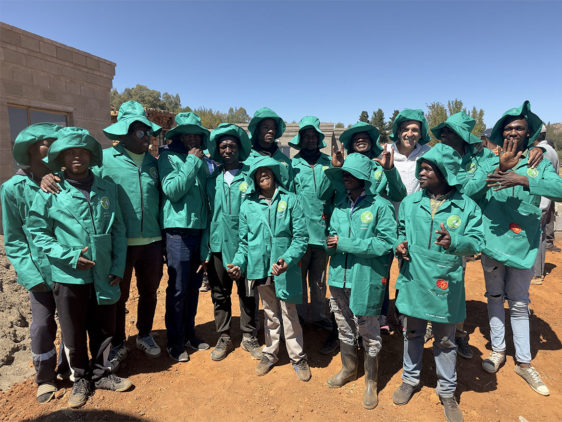
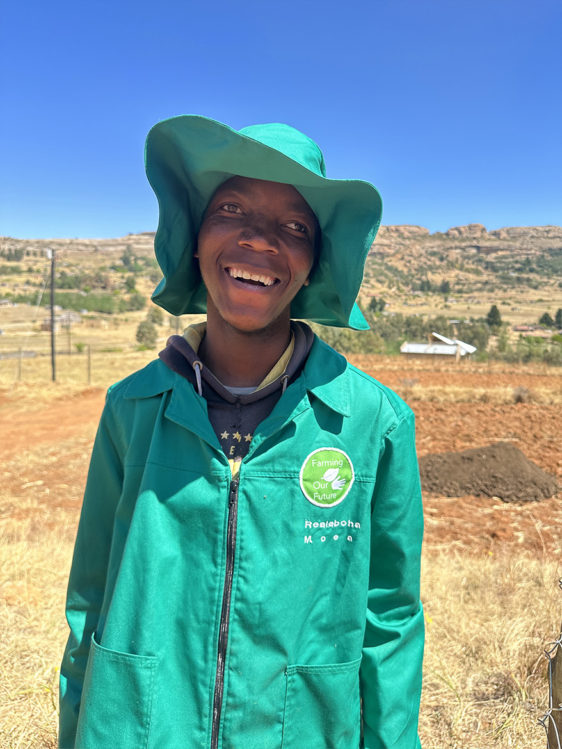
6 young people were trained in market gardening and animal husbandry, contributing to the life of the school. In order to welcome other young people the following years, while offering a future perspective to the young people trained, the Foundation helped them to structure themselves into an NGO: “Farming our Future”, of which they are members and beneficiaries.
After testing their skills on a 3,000 m2 micro-farm in St Monica, with a dormitory for 6 young people for over 2 years, it was necessary to find a larger site to make the project sustainable.
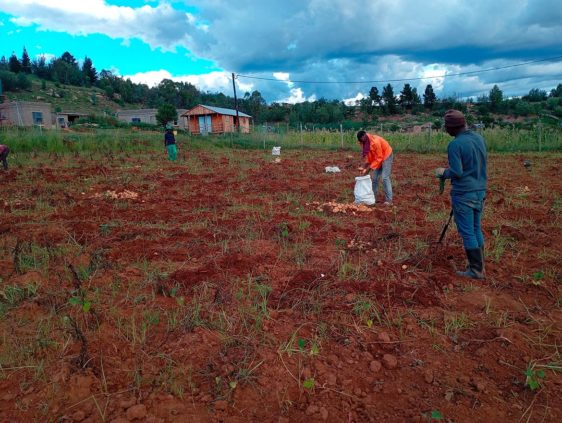
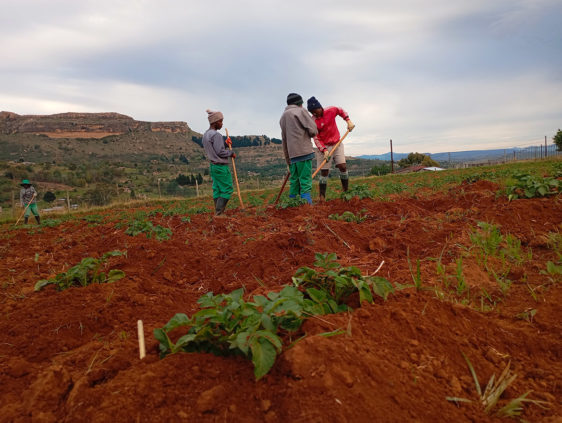
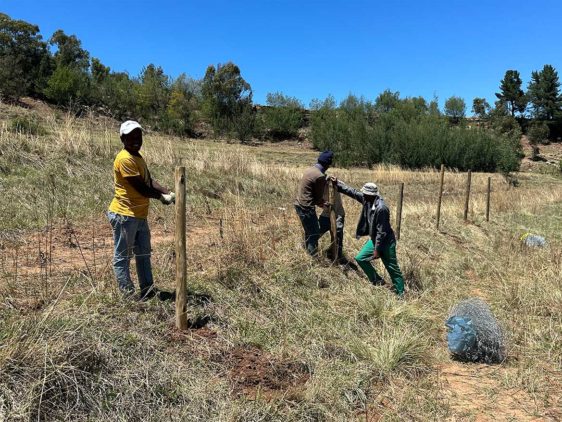
Therefore, The Ivory Foundation encouraged Farming Our Future to find a new, larger plot of land on which to build a farm for the 12 young people trained, and to welcome in the meantime new students on the school’s pedagogical farm.
A plot of land was found in Levi’s Neck for this purpose.
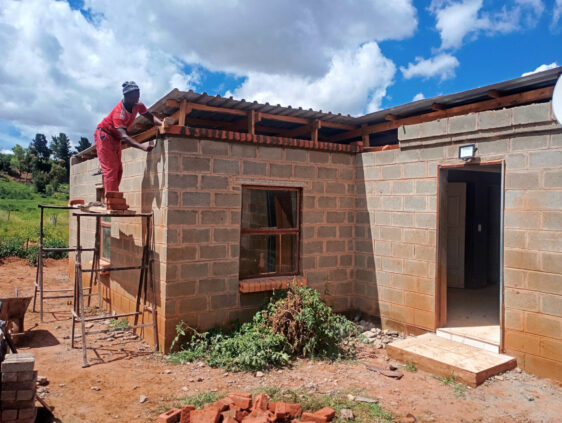
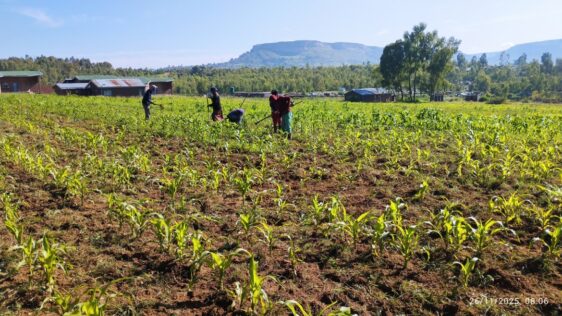
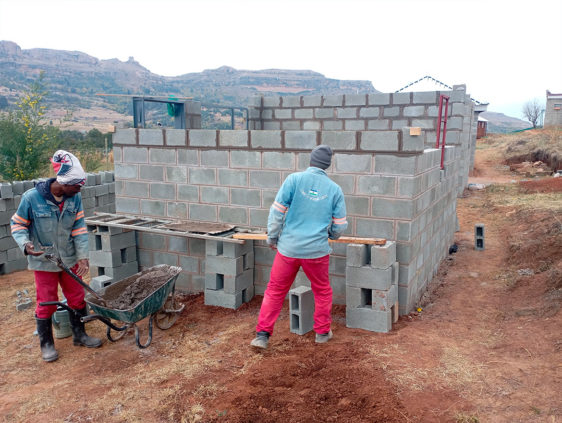
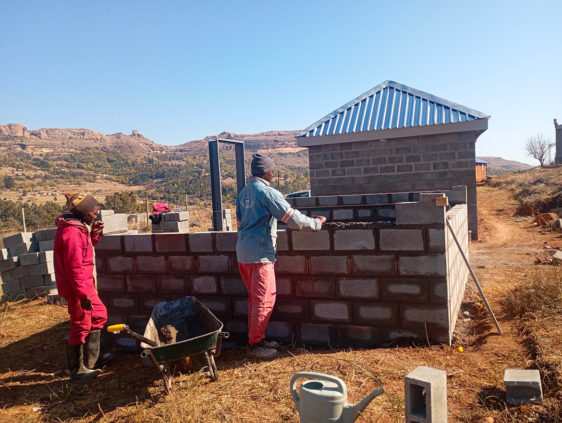
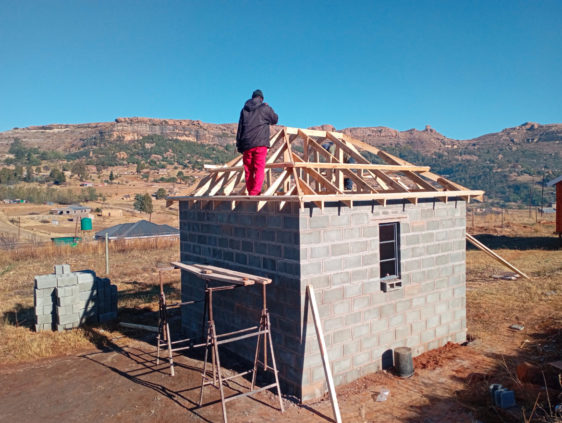
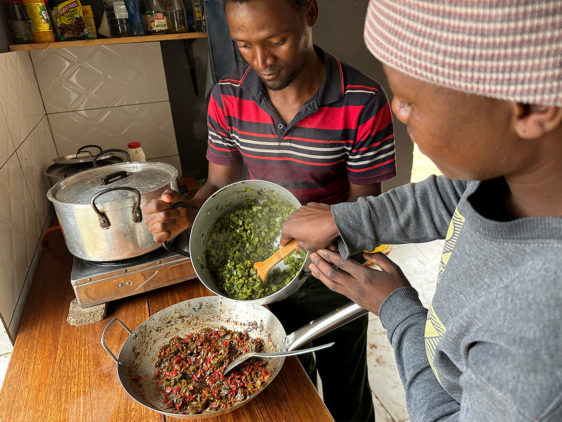
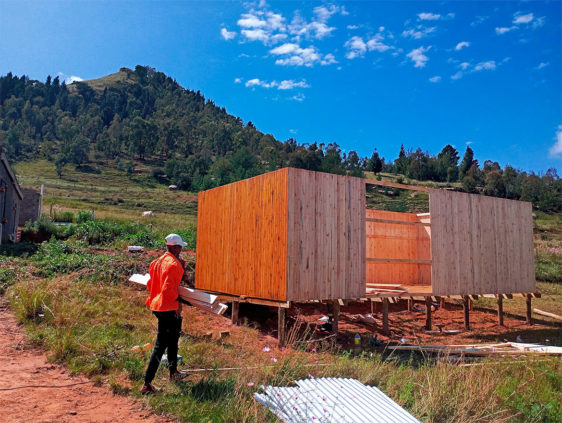
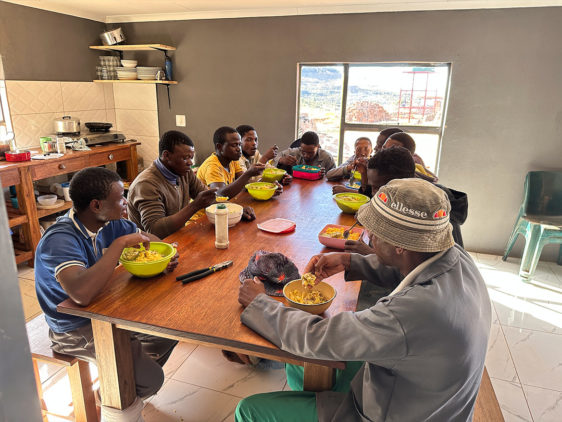
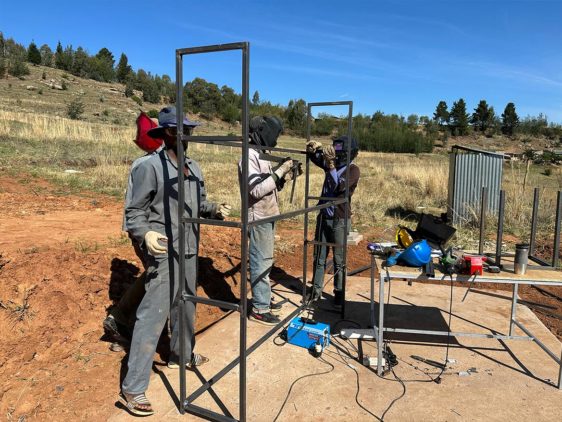
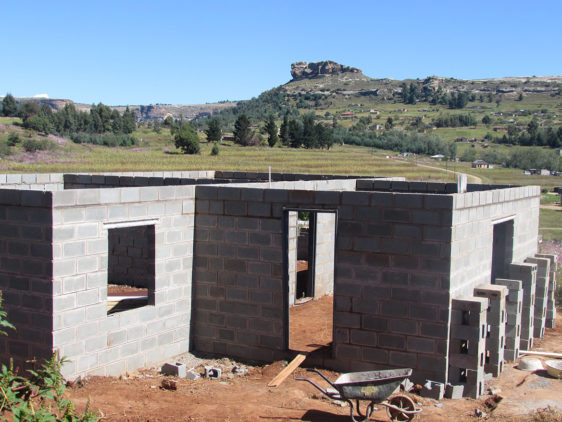
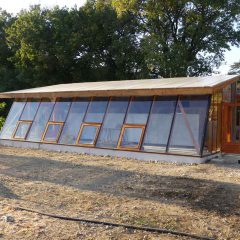
With financial support from the Foundation, Farming Our Future association was able to acquire 3 hectares of land in its own name, and build a double dormitory with bathrooms and a large kitchen to accommodate the 12 students.
A second unit has been set up to accommodate international volunteers invited to contribute their expertise to developing the project, while a third unit will be built to house the centre’s director and his office.
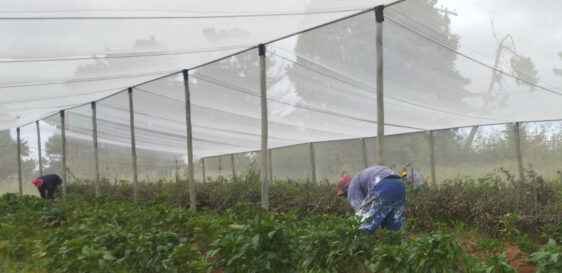
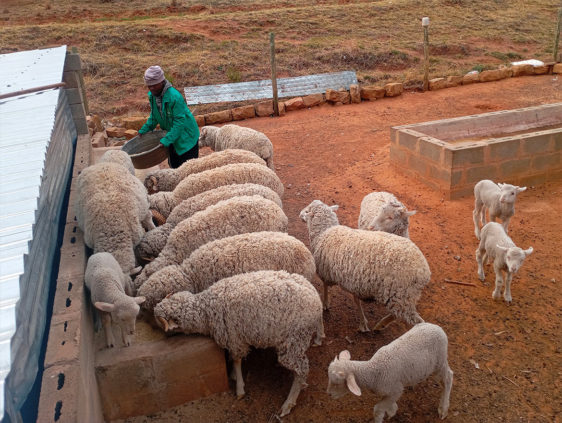
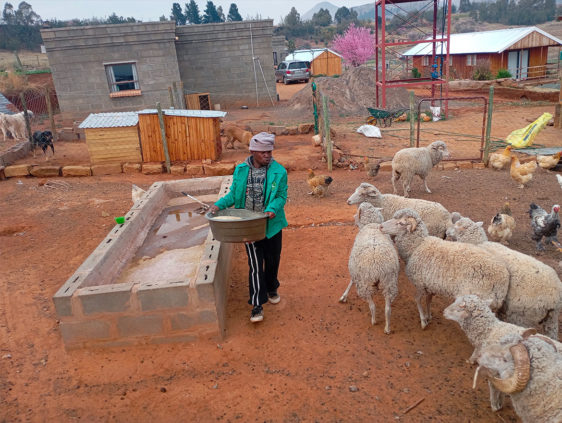
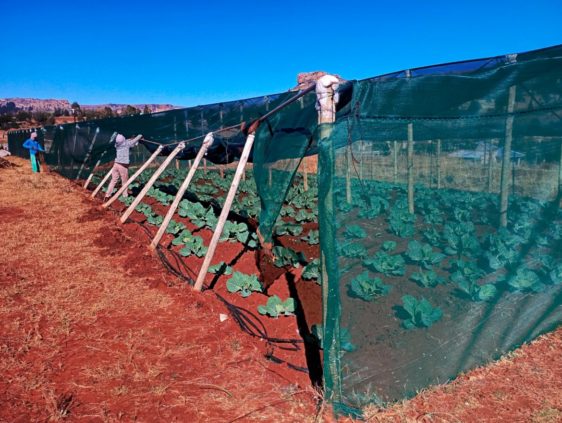
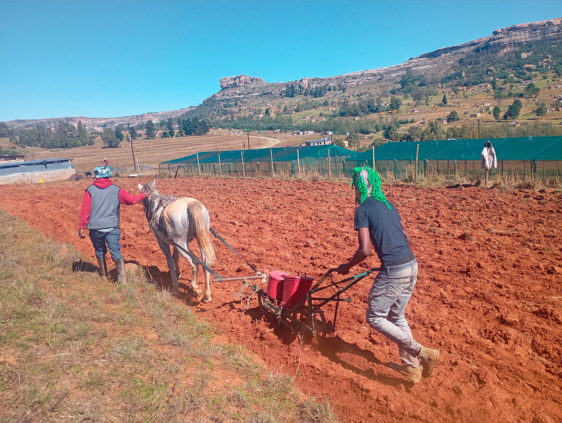
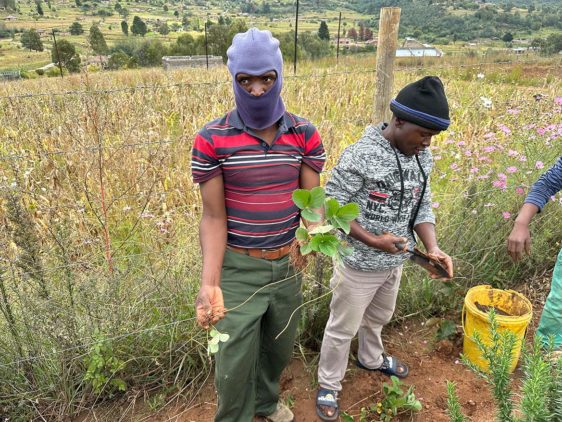
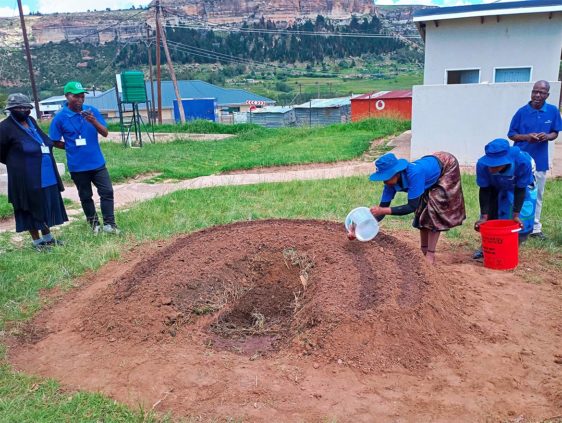
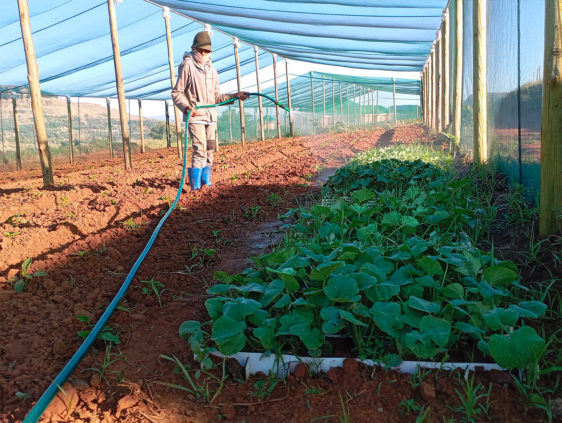
Once complete, the farm will include organic market gardening, hens, rabbits, sheep, pigs and cows. The project will also promote sustainable farming techniques with learning programs based on the principles of permaculture, agroforestry and the circular economy.
The model farm will provide comprehensive vocational agricultural training, both in terms of know-how and economic management, with the aim of guiding young deaf and hard-of-hearing people in Lesotho towards a self-employed activity capable of providing for their future needs.