





Sometimes referred to as ‘fine herbs’, aromatic plants include edible plants with fragrant leaves and flowers that enhance the flavour of dishes. Some of them are also used in beneficial herbal teas (lime blossom, verbena, thyme, rosemary, etc.).
Biodiversity is the contraction of the words “biological” and “diversity”. This means the diversity of all living beings on our planet.
Diversity exists on several levels:
– Diversity of species, among animals or plants. For example: the diversity of cow breeds, or the diversity of tomatoes or carrots, which can be of different shapes, sizes and colors.
– Within each species, there is also diversity, which is called genetic diversity. This explains why a white cow will have a spot on its body, and another will not, or that two carrots of the same species will not have the same shape or size.
– On the planet’s scale, there are also different living environments called ecosystems. This is why oceans, forests or deserts do not have the same plant or animal populations.
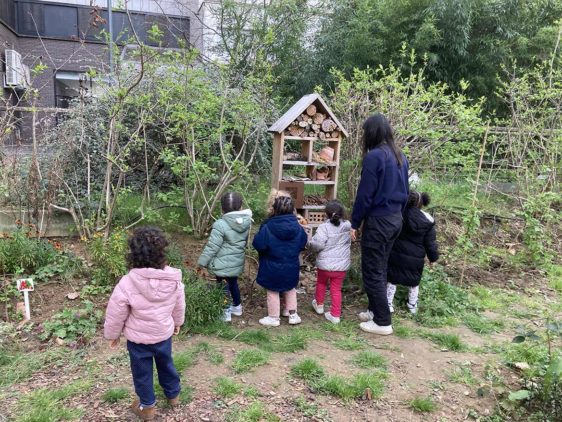
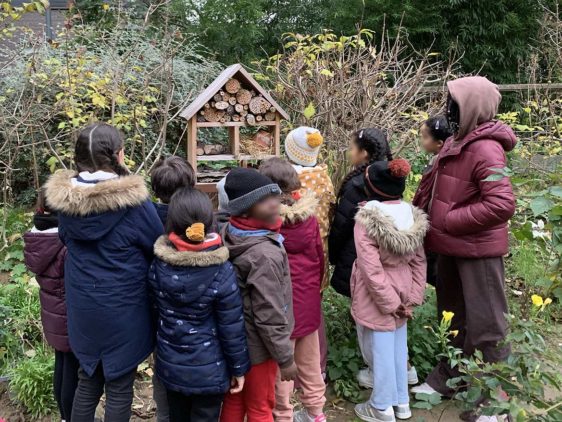
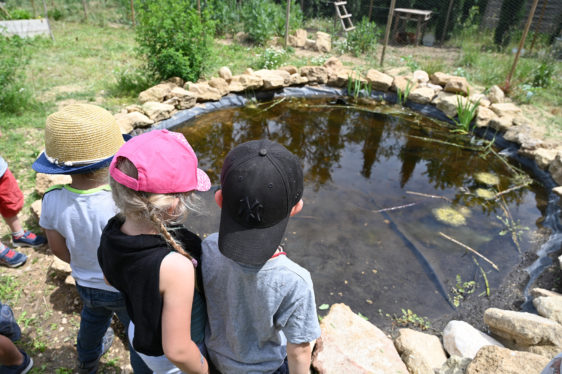
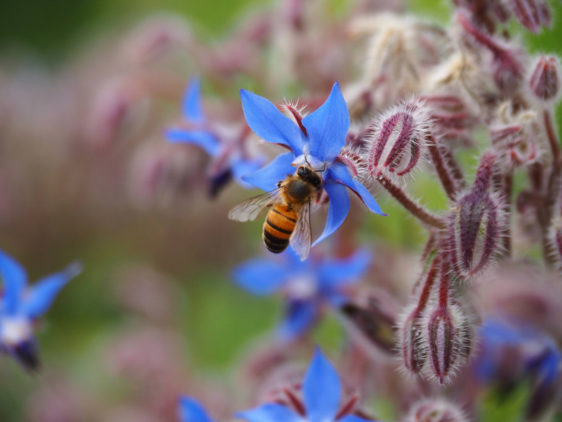
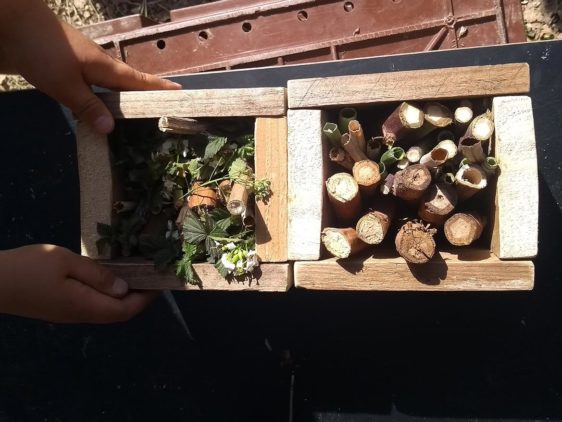
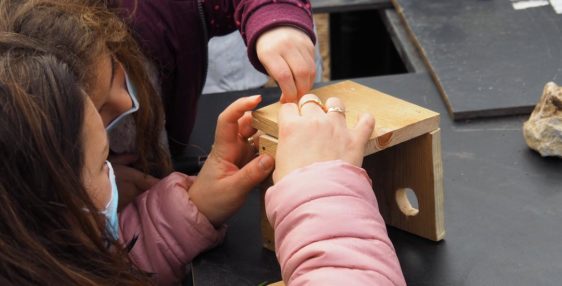
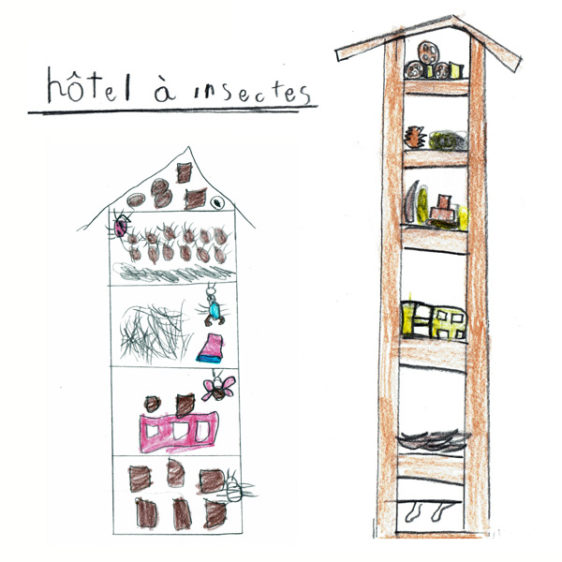
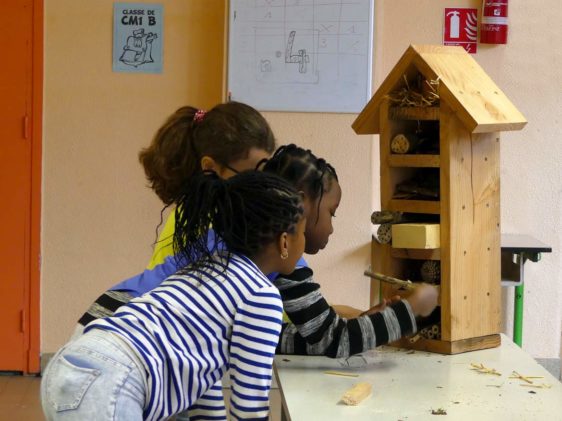
Biodiversity plays a key role in alternative farming techniques. Insects, small mammals and amphibians can easily get rid of certain garden pests and play a role in flower pollination or seed dispersal. Some flowers have properties that can be used by the gardeners, such as biopesticides preparations, and livestock can take care of certain tasks, such as weeding. Encouraging biodiversity by offering various shelters to nature dwellers can be very rewarding.
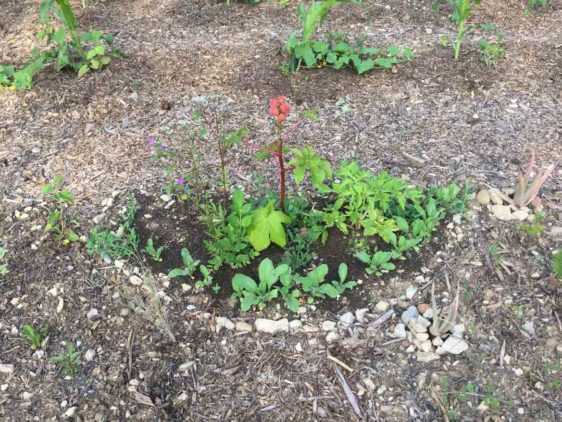
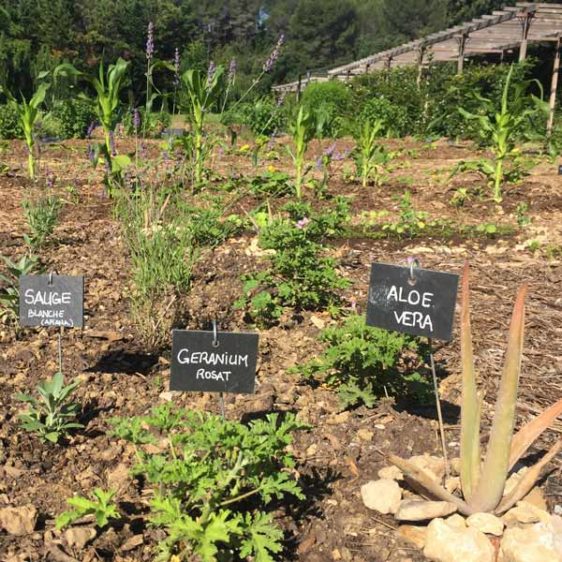
Biodiversity in the vegetable garden : the garden of fragrant, aromatic and medicinal plants.
Cultivated since the 7th century in medieval gardens, these plants are used for their aromas, fragrance or medicinal properties. In the Middle Ages, they were known as ‘simples’. These are plants that are used either dried or fresh and have medicinal properties depending on the parts selected (leaves, stems, flowers, seeds, roots).
Perfume plants are mainly cultivated for use in perfumery (absolutes, concretes, essential oils, floral water, etc.), cosmetics (essential oils and oral water) and food (floral water). Their essence does not always diffuse naturally and may require certain preparations. The extracted essences come from the leaves, stems, roots, flowers or bulbs.
Here is an example of an assortment for the vegetable garden :
Food use:
Absinthe, Annual mugwort, Artemisia vulgaris, Common mugwort, Angelica archangelica, Borage, Nasturtium, Chrysanthemum, Common fennel & bronze fennel, Hibiscus sabdarifa, Lemon balm, Bergamot mint, Spearmint, Mertensia, Fistulous monarda, Turkish oregano, Cretan oregano, Purple perilla “Shiso”, Sweet pea, Liquorice, Rhubarb, Rosemary, Grey Santolina, Green Santolina, Blackcurrant Sage, Mexican Tagetes, Thyme.
Perfume plants:
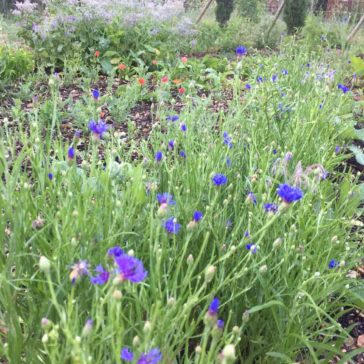
Cornflower, Roman Chamomile, Rose Geranium, Fine Lavender, Lavandin.
Other plants:
Roheras Poppy, Russian Comfrey, Cornflower.
Medicinal use:
Yarrow, aloe vera, pink poppy, comfrey, purple coneflower, escholtzia, marshmallow, mallow, St. John’s wort, nettle, evening primrose, wild pansy, white sage, clary sage, sage, marigold, common tansy, valerian.